Monthly Reports
The Latest Trends in Antisemitism Online
General Trends
The 2025 Iranian Protests and the Rise of Antisemitic Blame
Beginning December 28, widespread demonstrations erupted across Iran, fueled by economic instability and opposition to the Islamic Republic. As the largest uprising since the 1979 Revolution, the unrest was quickly met with a surge of antisemitic conspiracy theories on social media. These narratives falsely blamed Jewish people for orchestrating the chaos and were accompanied by calls to violence.


What We're Also Following
“271K”: Digital Distortion and Holocaust Remembrance Day
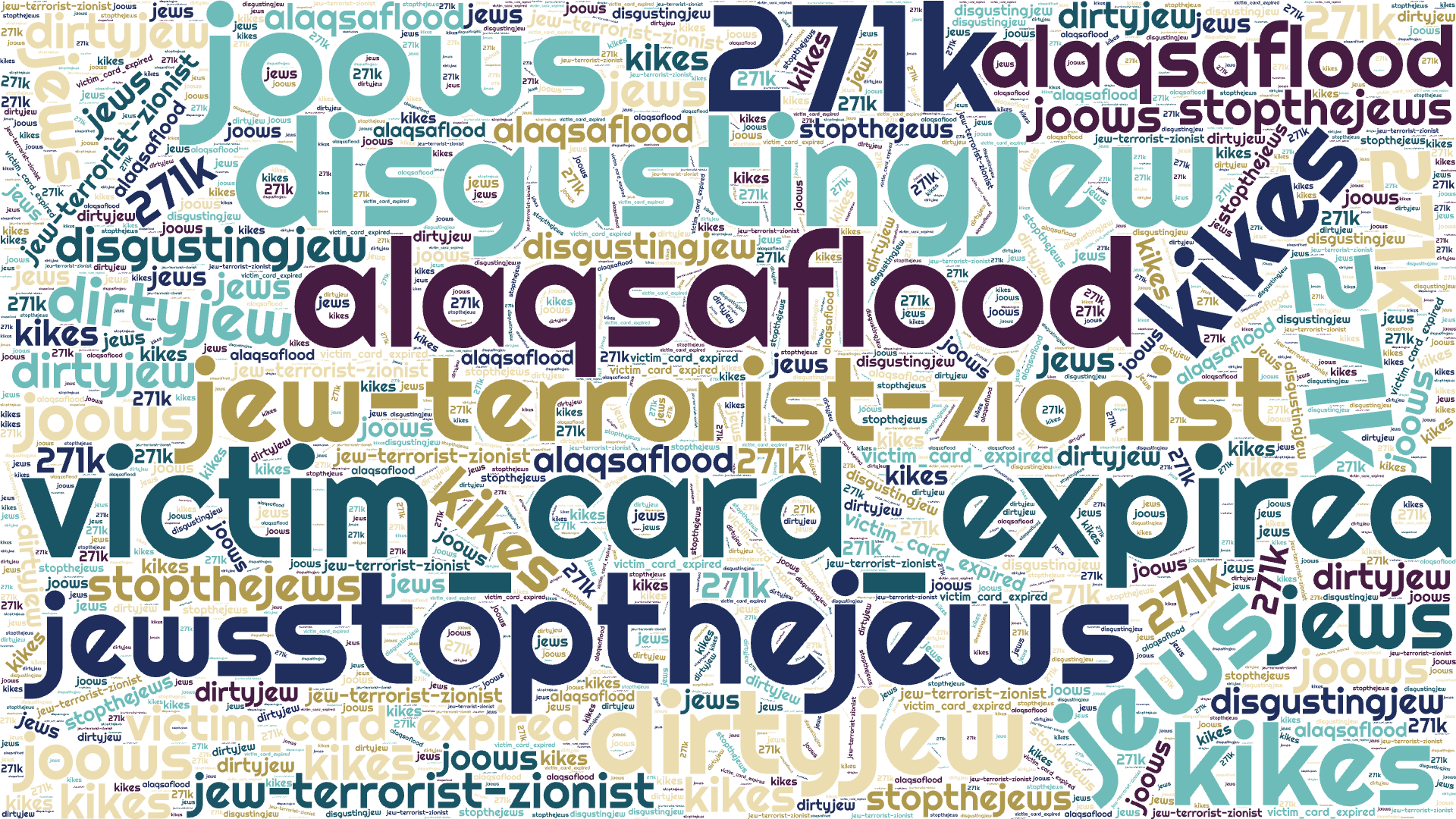
During and around January 27, International Holocaust Remembrance Day, there was a surge in Holocaust praise, denial, and distortion—including extremist calls for a “second” Holocaust. Central to this wave of hate is the keyword “271K.” This specific figure is used by Holocaust deniers to claim that only 271,000 Jews perished during the war – and that these deaths were caused by disease rather than systematic murder. The term “271K” is also a malicious play on the date itself, January 27.


Reported Content by Type
Removed vs.
Not Removed Content
Fluctuations in
Type of Content
Trending Hashtags in Online Antisemitism

General Trends
Online Conspiracy Theories and Antisemitic Backlash Following the Bondi Beach Attack
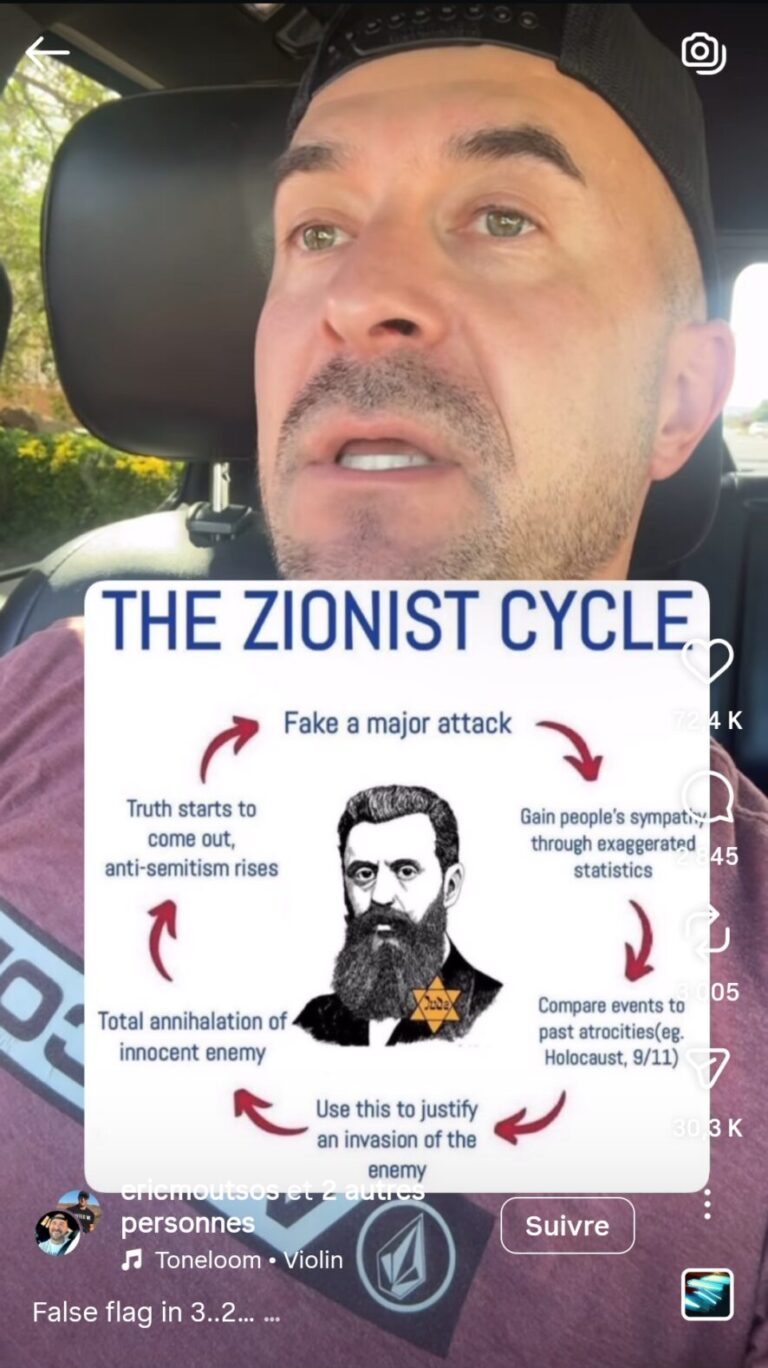
Following the Bondi Beach attack on December 14, conspiracy theories spread rapidly across online platforms. False claims emerged accusing Jews, Israel, and the Mossad of orchestrating the attack to generate international sympathy, framing the incident as a so-called “false flag.”
This month we identified a rise in antisemitic false information, increasing from 3% in November to 7% in December.
What We're Also Following
Somaliland as a “Jewish Plot”
In December, Israel became the first country in the world to recognize Somaliland as an independent country. Right after that, antisemitic conspiracy theories depicted Somaliland’s bid for independence as a fabricated Jewish or “Zionist” scheme to expand Jewish influence in the Horn of Africa. Others distorted historical legend about the Yibir tribe in Somalia, sometimes claimed to be linked to the lost tribes of Israel or having been founded by a Jew who converted to Islam, to portray Somaliland’s cause as driven by Jewish quest for control to undermine Somaliland’s legitimacy within the Muslim world. Finally, there were unsubstantiated claims alleging secret cooperation between Jews, Israel, and Somaliland’s leadership, including plans to establish military bases or resettle Palestinians in exchange for Israel’s recognition.
Reported Content by Type
Removed vs.
Not Removed Content
Best and Worst: Samples of Online Antisemitism


Trending Keywords in Online Antisemitism

New Hashtags
#bondiattack, #BondiJews, #australiaattack
These three hashtags were frequently identified in antisemitic content related to the Bondi Beach attack as well as in posts that glorified the attack. While the wording of some of the hashtags appears neutral, the context and usage in some instances clearly are not.
General Trends
Our monitoring team noted an unexplained increase in calls for violence on social media, following a drop in October which we attributed to the end of the war in Gaza. Here is the data: in September, 19% of the posts we monitored were of calls for violence; in October, with the end of major hostilities in Gaza, the share posts decreased to 9%. But in November posts calling for violence shot up to 19%. We are not able to attribute the rise to any specific recent event and will continue to monitor these trends closely.
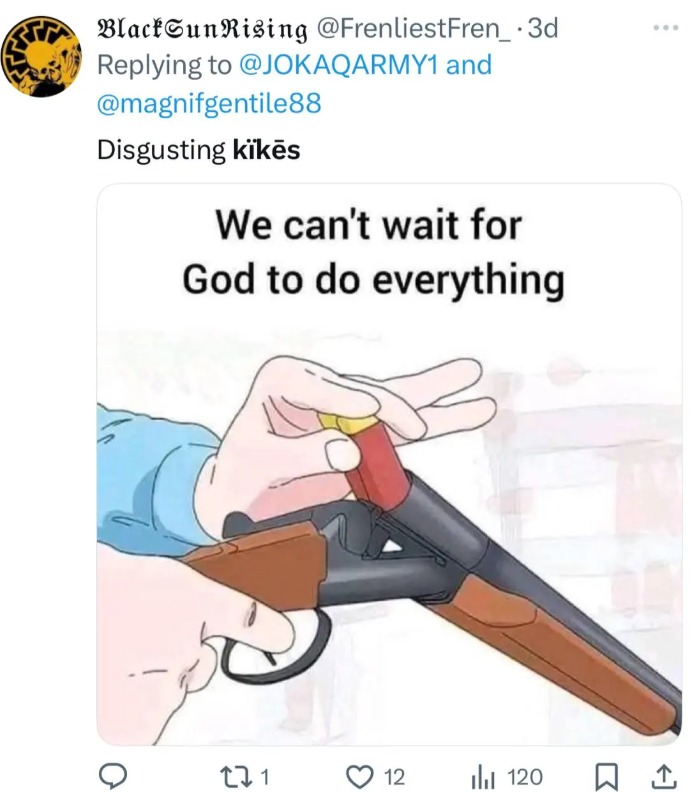
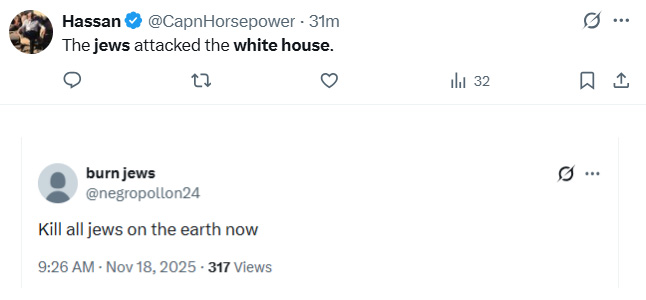
This most serious of the calls for violence – many of which were removed following reporting by FOA – was this one on X, which was also taken quickly, though the account remains active.
What We're Also Following
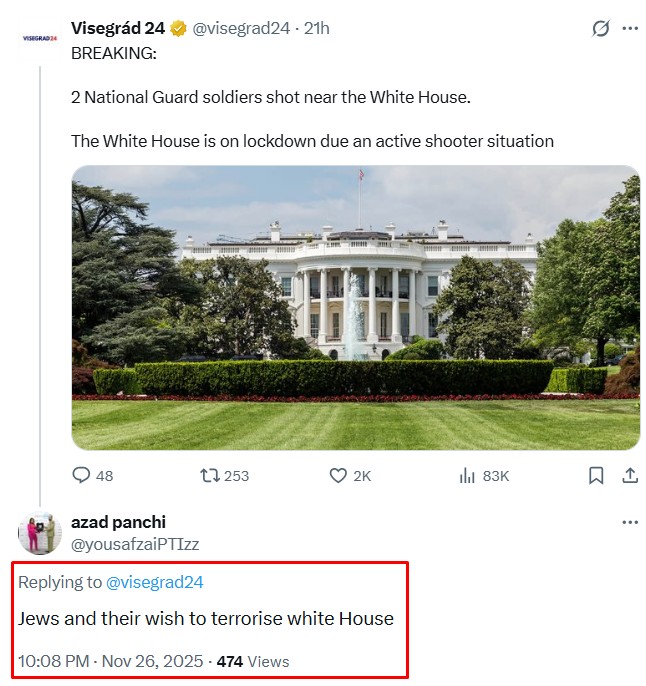
On November 26, an Afghan who had been radicalized attacked two National Guards near the White House, killing one and critically wounding the other. Almost immediately after the incident, conspiracy theories blaming Jews, Israel, or Mossad appeared online. The spike in hate against Jews – even when there is no connection to Jews or to Israel – is, unfortunately, typical in such situations.
Reported Content by Type
Removed vs.
Not Removed Content
Best and Worst: Samples of Online Antisemitism
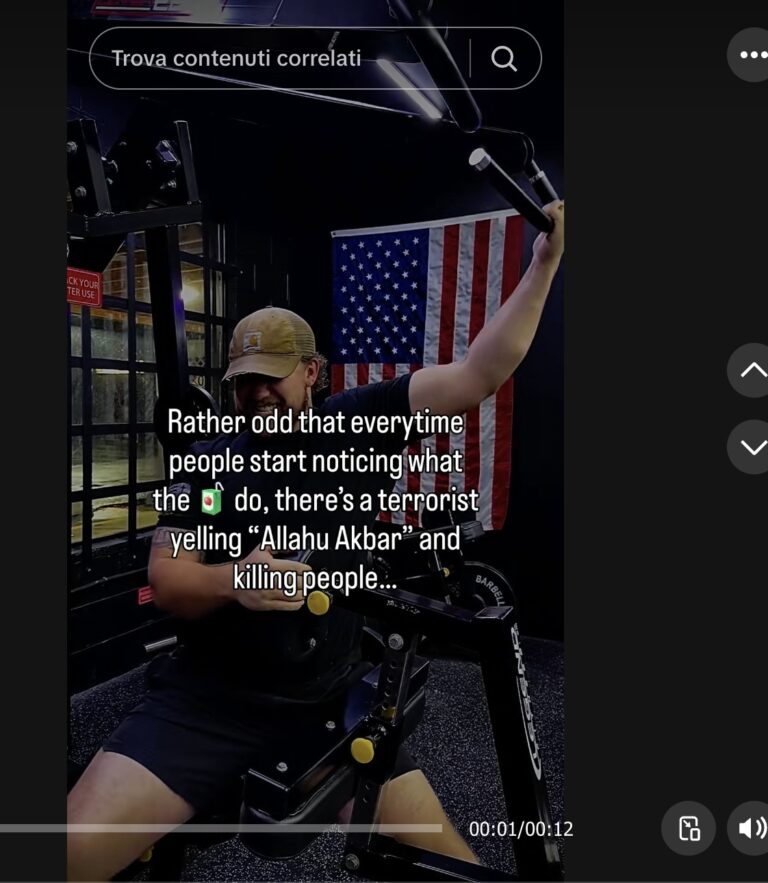
Trending Keywords in Online Antisemitism
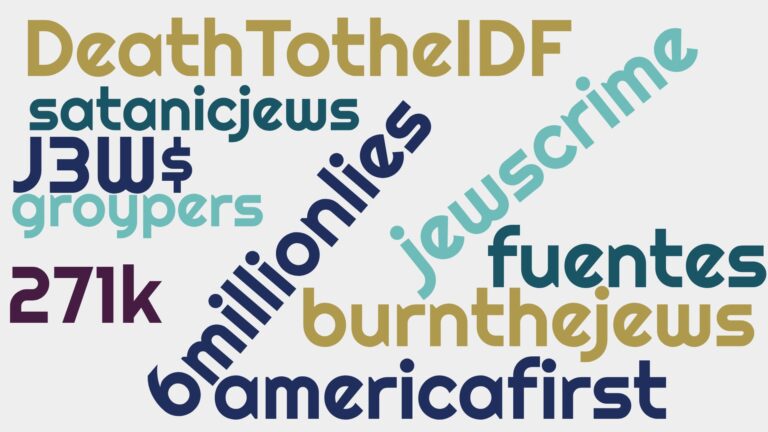
Hashtag Glossary
#Groypers, #Americafirst, #Fuentes
The Groypers, or Groyper Army, are a network of far-right activists and internet trolls who follow Nick Fuentes. They promote an “America First” ideology centered on white identity and Christian values, using provocative tactics to influence mainstream conservatism.
#271k
The figure originates from Holocaust-denial sources, which falsely claim that the actual number of Jewish victims in the Holocaust was 271,000.
General Trends
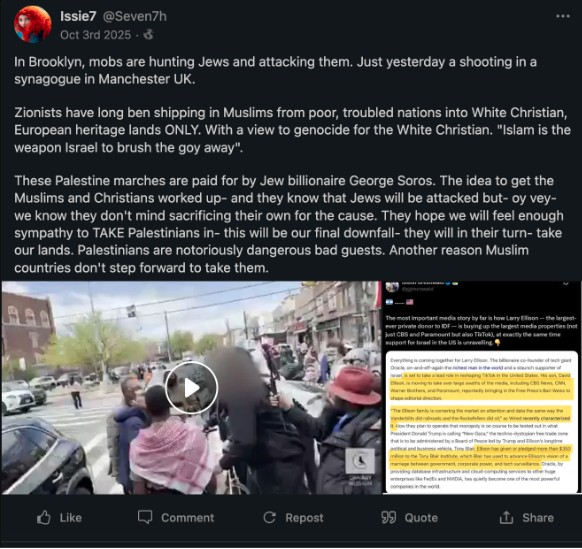
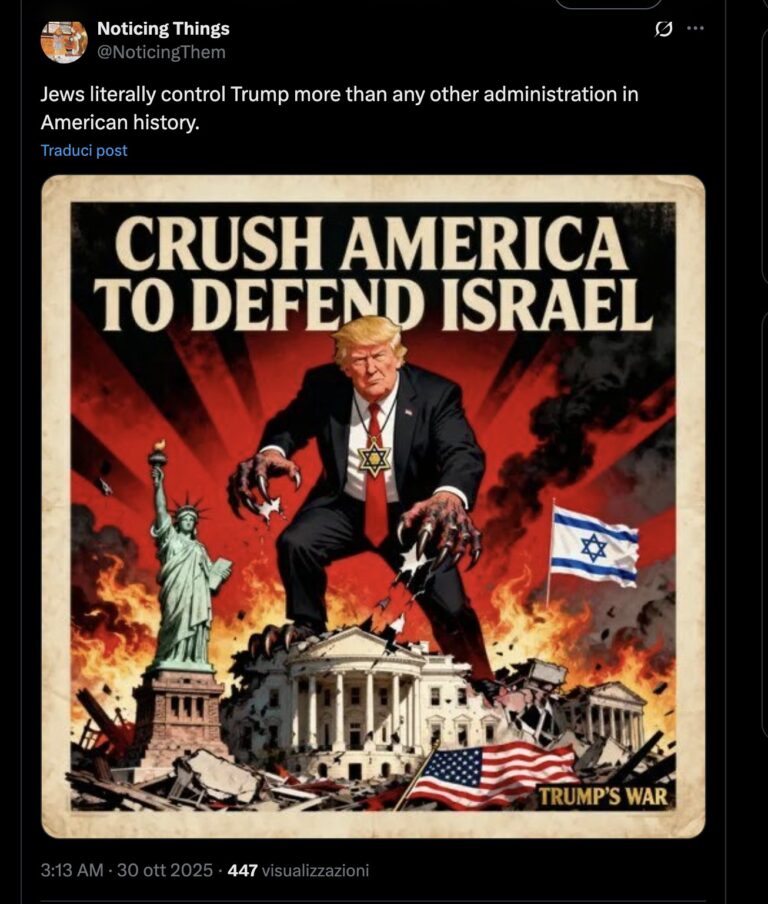
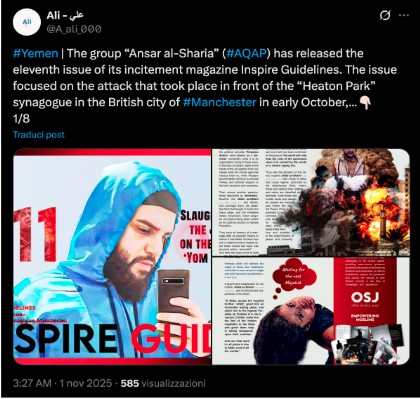
On October 2, Yom Kippur, two Jewish worshipers were killed as an attacker first rammed into the congregation with his car and then proceeded to a mass stabbing, in Manchester, United Kingdom. Some online posts blamed Jews for the attack, arguing Jews were behind Muslim immigration, which was now targeting them. On October 13, U.S President Donald Trump visited Israel following the ceasefire agreement.Our monitors noted a significant increase in hate speech directed at the President accusing him of being manipulated by Jews.
Trends off the Beaten Track
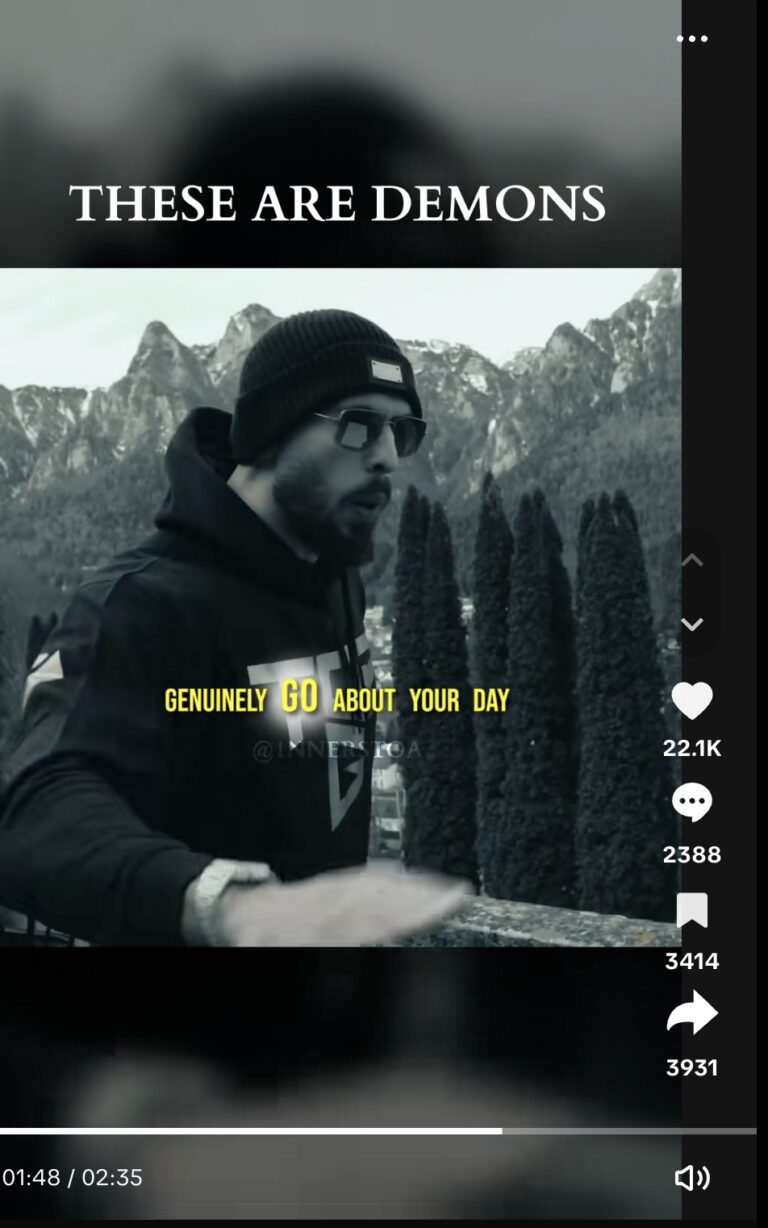
On October 13, FOA reported a video on TikTok posted by influencer Andrew Tate which targeted Jews and the LGBT community, labeling them as “demons in disguise” sent by the Devil to undermine society. The video had been liked over 22,000 times and shared over 2,000 times. Despite Tate’s large following, the post was removed. This shows the impact of a single individual reporting a hateful post.
Reported Content by Type
Removed vs.
Not Removed Content
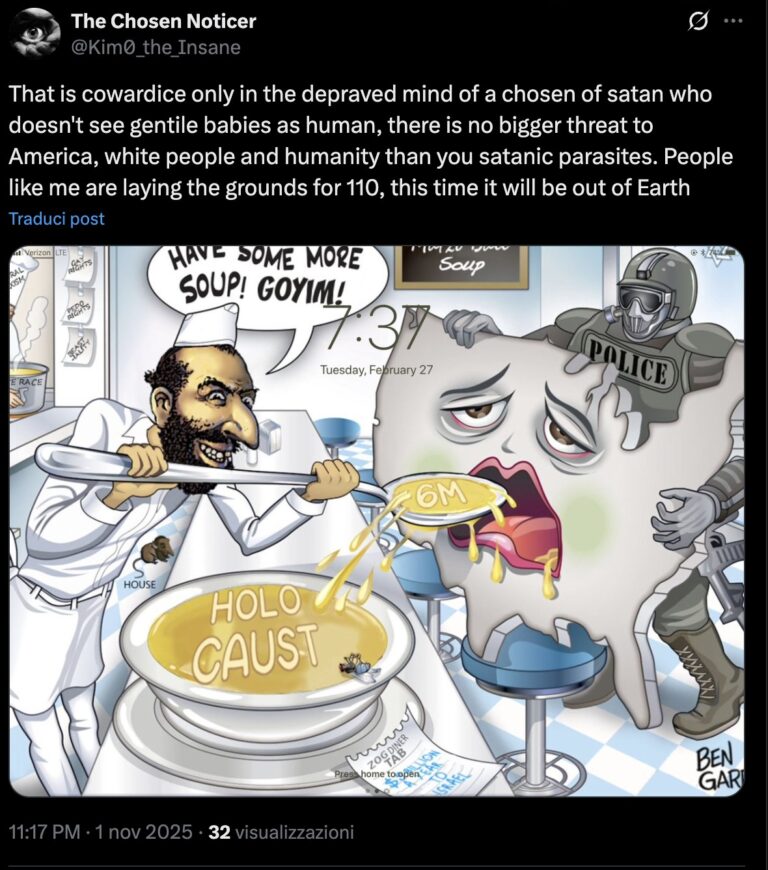
Antisemitism Unmasked – Real Examples from Social Media
Trending Keywords in Online Antisemitism
General Trends
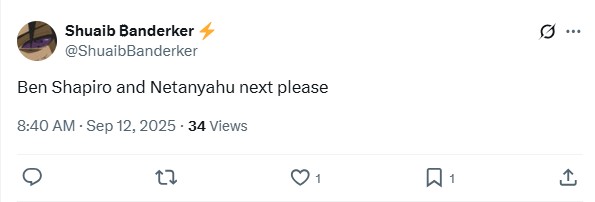
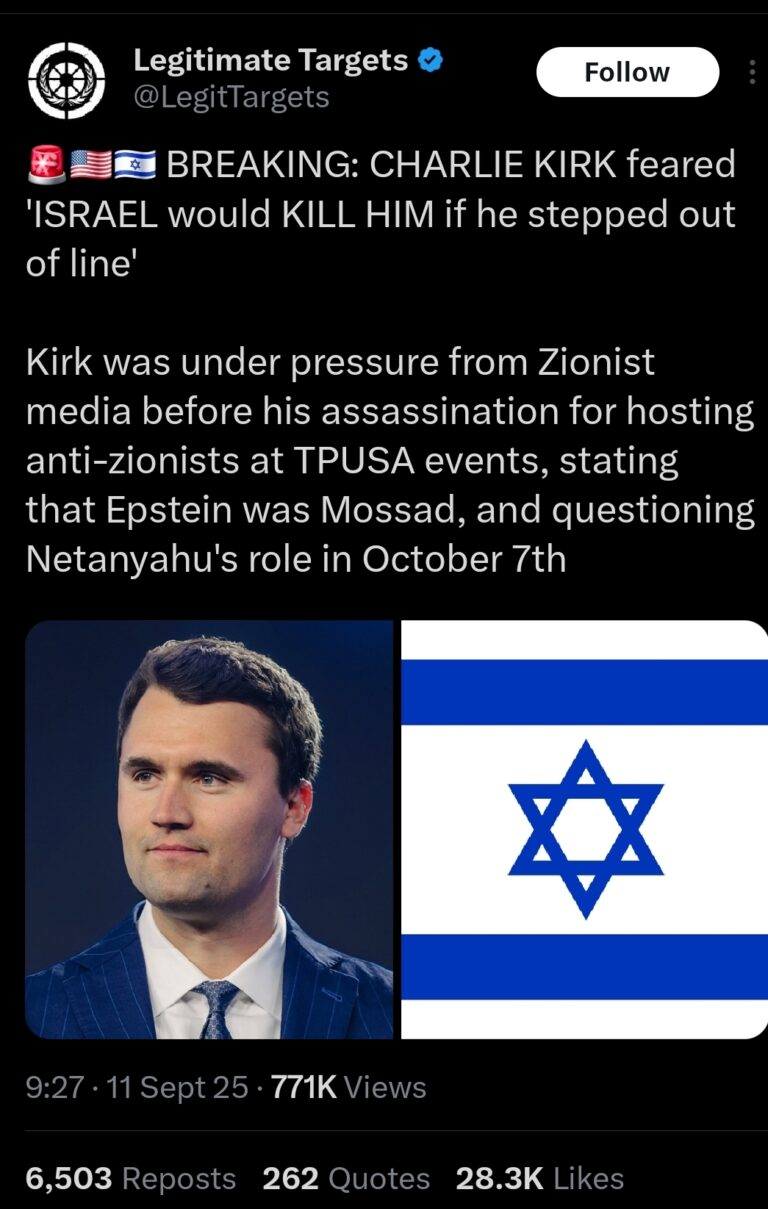
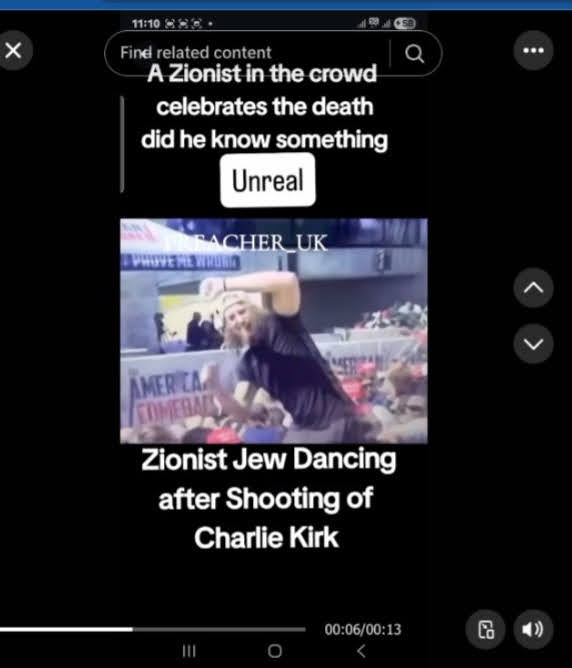
During September 2025, FOA’s Monitoring Team observed a significant rise in antisemitic material and calls to violence online. This surge was directly linked to the assassination of the well-known Christian political activist Charlie Kirk, who was shot during an event at Utah University. Charlie was widely popular among young Americans, and the fact that his assassination was virtually livestreamed worldwide made the event even more shocking. Although Charlie had consistently expressed strong support for Israel, antisemitic slurs began to circulate almost immediately after the attack. #MossadDidIt was among the first, but many others quickly followed. The incident immediately triggered a wave of antisemitic conspiracy theories, spreading rapidly across multiple platforms. This demonstrates how high-profile acts of violence can catalyze spikes in violent speech online, where old antisemitic tropes are quickly recycled and amplified in the aftermath of major events.
Trends off the Beaten Track
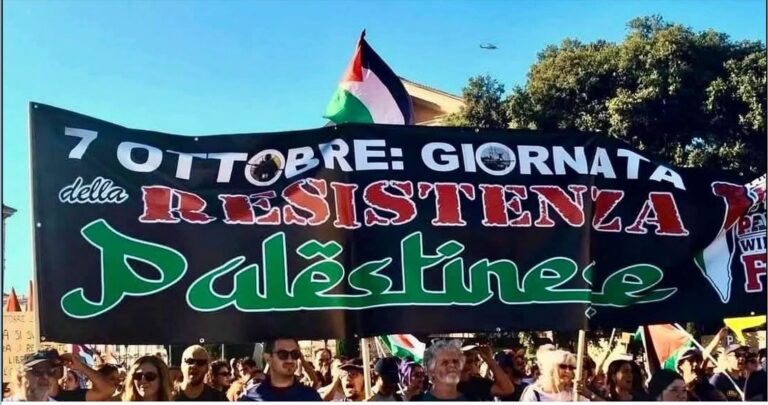
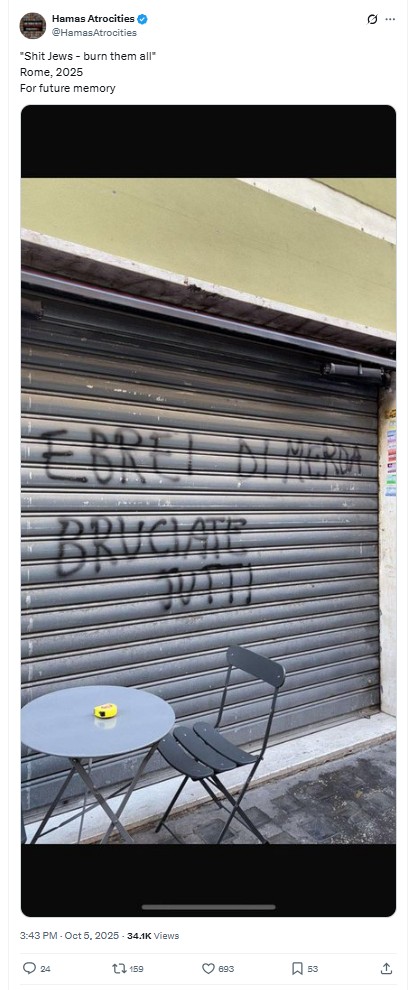
On September 21, 2025, the United Kingdom, Australia, Canada, and Portugal formally recognized the State of Palestine, followed by France on September 22 during the UN summit. Germany and Italy, however, refused recognition, stating there was no Palestinian state at the moment. At the same time, the ‘Global Sumud Flotilla’ was blocked from reaching Gaza. These developments triggered a wave of violent riots, mass protests, and strikes across Italy, with threats to paralyze the country unless Prime Minister Giorgia Meloni changed her stance. FOA’s monitoring team observed a sharp rise in violent online content originating from Italy during this period.
Reported Content by Type
Fluctuation in Type of Content by Month
Removed vs.
Not Removed Content
Antisemitism Unmasked – Real Examples from Social Media

Trending Keywords in Online Antisemitism
General Trends
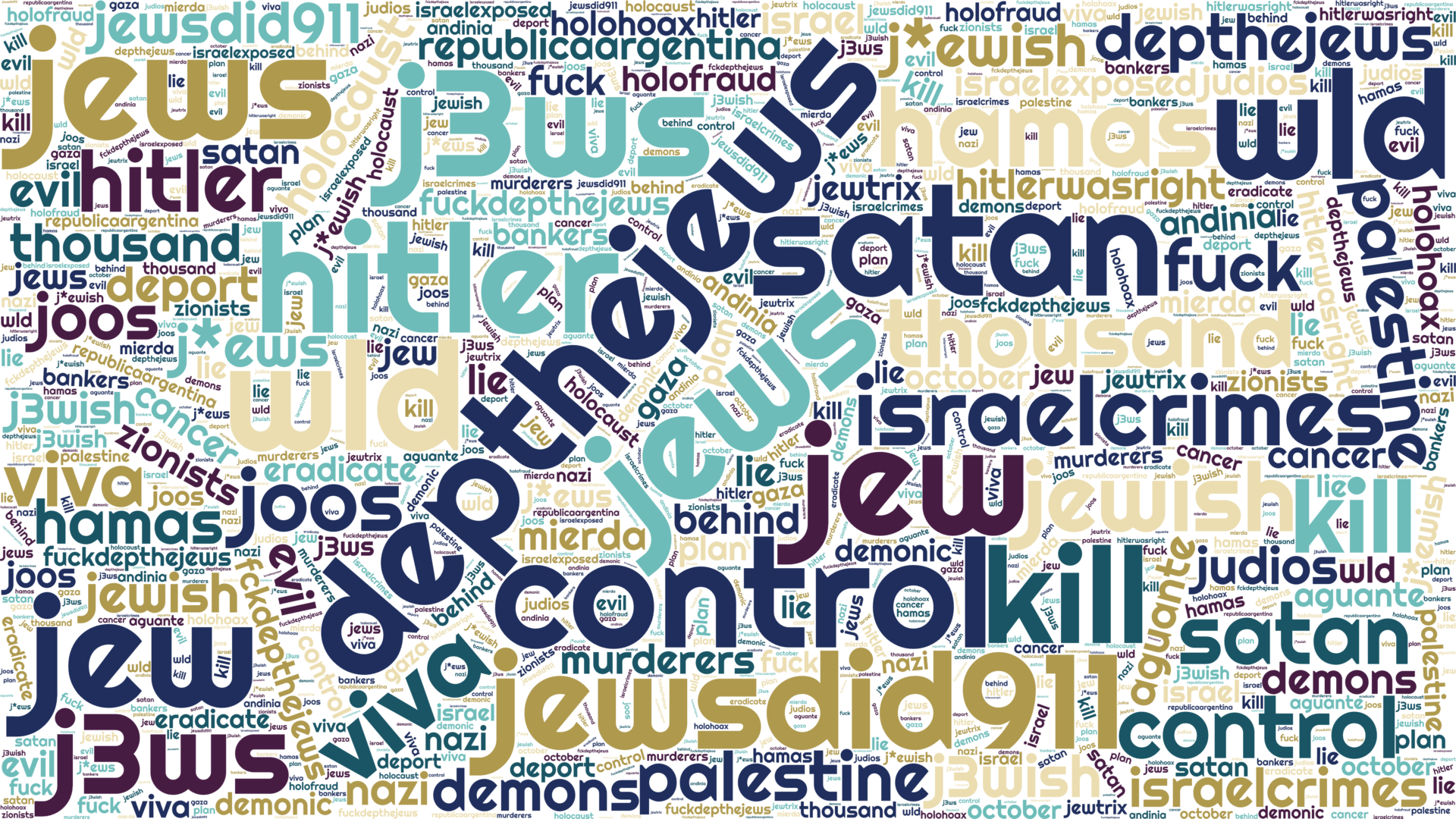
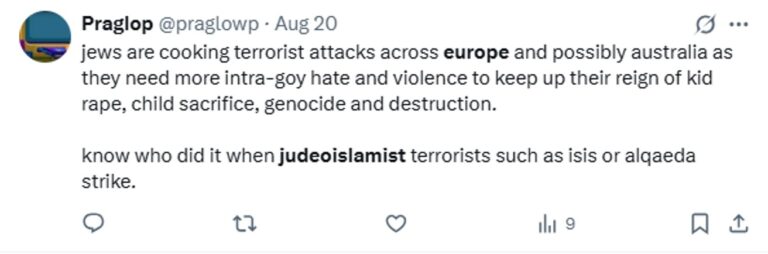
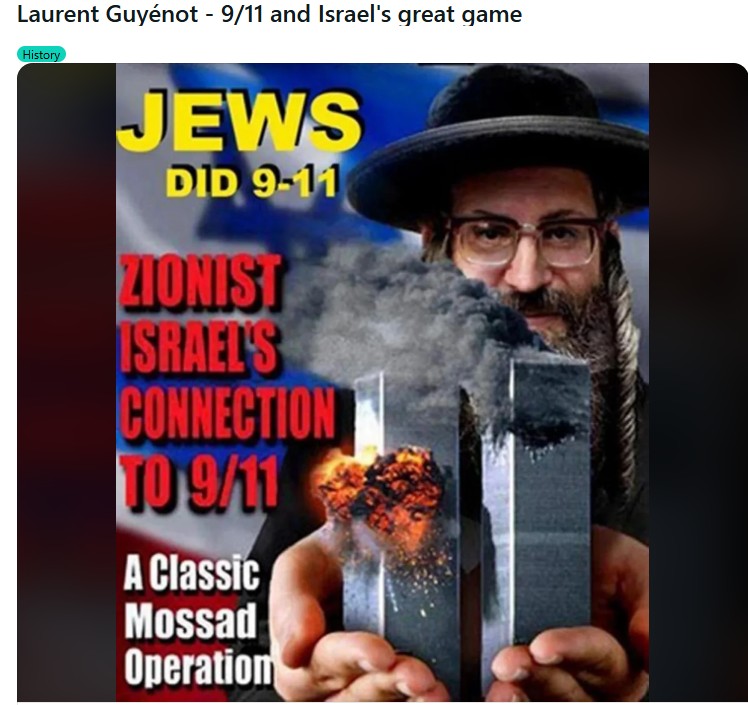
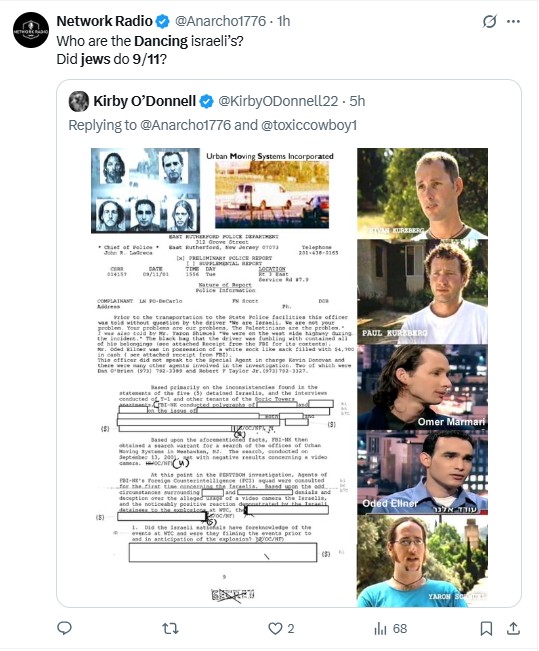
During August 2025, FOA’s monitoring team observed a significant rise in antisemitic content online connected to the 9/11 attacks, primarily centered on antisemitic conspiracy theories related to the event. While such narratives appear throughout the year, the monitoring data shows a sharp increase in activity during the last 10 days of August. These conspiracy-driven posts often recycle long-standing antisemitic tropes, blaming Jews or Israel for the attacks, and gain renewed visibility as the anniversary of 9/11 approaches. The most common hashtag appearing alongside this content was #jewsdid911, which continues to be a focal point for spreading these conspiracies. This recurring spike highlights how antisemitic actors exploit historical events to spread hate and reinforce harmful narratives.
Trends off the Beaten Track
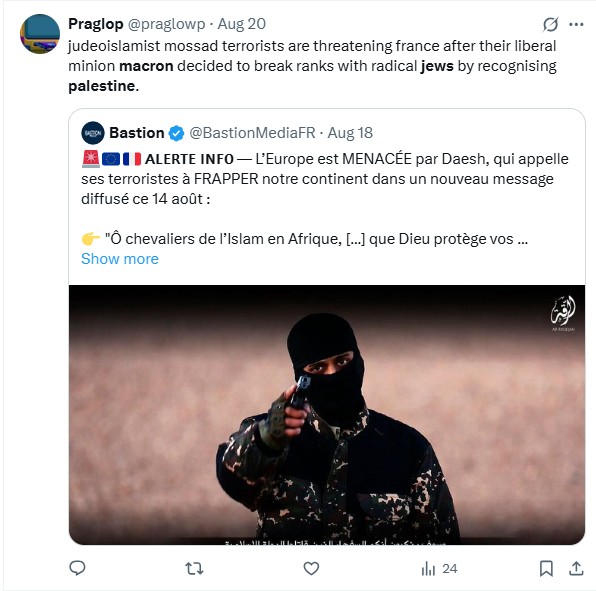
After French President Emmanuel Macron announced on July 25, 2025, that France would recognize a Palestinian state, FOA’s monitoring team saw a rise in antisemitic conspiracy content online during August. Many posts falsely claimed that Jews are planning attacks in Europe as a result of Macron’s decision and in order to pressure him to change his mind. As the anniversary of 9/11 approached, these conspiracies mixed with older antisemitic claims that resurface every year around this time. We also noticed frequent use of the term “judeoislamist”, a made-up word meant to link Jews with Islamist extremists. These examples show how antisemites use both political events and historic tragedies to spread hate and fear.
Reported Content by Type
Fluctuation in Type of Content by Month
Removed vs.
Not Removed Content
Antisemitism Unmasked – Real Examples from Social Media
Trending Keywords in Online Antisemitism